Online Journal Publication of Aliansi Transintegrasi Lektur Agama dan Sains (ATLAS)
Journals
-
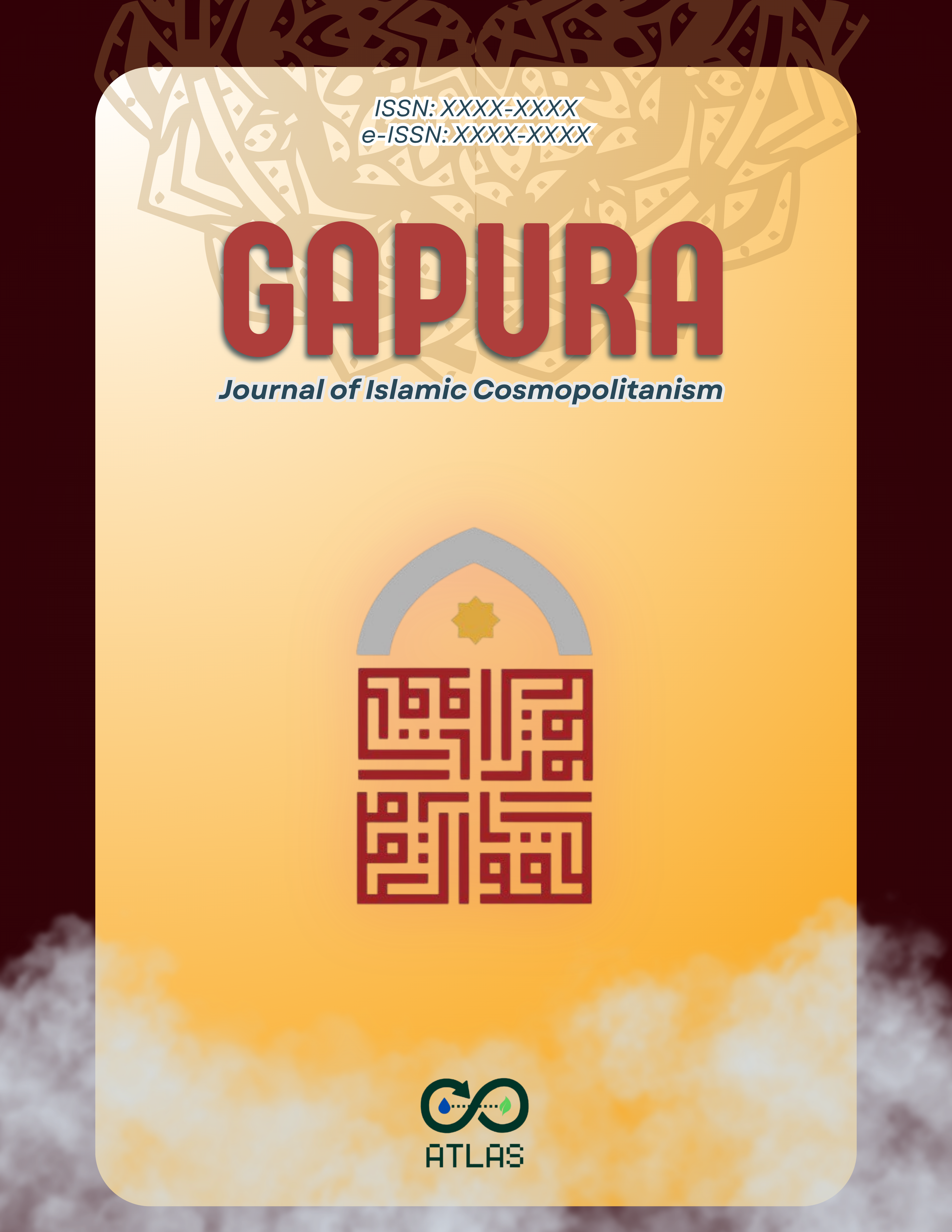
Gapura: Journal of Islamic Cosmopolitanism
Journal title : Gapura: Journal of Islamic Cosmopolitanism ISSN : xxxx-xxxx (Coming Soon) Editor-in-Chief : Khairuddin Aljunied Managing Editor : D.I. Ansusa Putra Publisher : Aliansi Transintegrasi Lektur Agama dan Sains (ATLAS) in cooperation with UIN Sulthan Thaha Saifuddin, Jambi, Indonesia Frequency : 2 issues per year (June and December) Gapura: Journal of Islamic Cosmopolitanism is a double-blind peer-reviewed journal published biannually, in June and December, by Aliansi Transintegrasi Lektur Agama dan Sains. The journal focuses on the study of Islamic cosmopolitanism through theoretical inquiry and empirical research, viewing it as a worldview, intellectual orientation, and lived practice rooted in the Islamic principles of shared humanity and moral responsibility. Gapura: Journal of Islamic Cosmopolitanism promotes scholarship highlighting openness, inclusivity, ethical responsibility, cooperation, pluralism, and peaceful coexistence across diverse societies. The journal explores the interaction between Islamic and social identities in shaping inclusive and globally engaged Muslim subjectivities. Its interdisciplinary scope spans Islamic studies and the social sciences, including Qur’anic studies, ḥadīth, Islamic law, philosophy, theology, Sufism, sociology, anthropology, politics, economics, gender, media, and cultural studies. Particular attention is given to everyday cosmopolitanism, Muslim intellectuals and activists, transnational Islamic movements, educational institutions, digital spaces, and state policies related to cosmopolitan Muslim life.
-
-
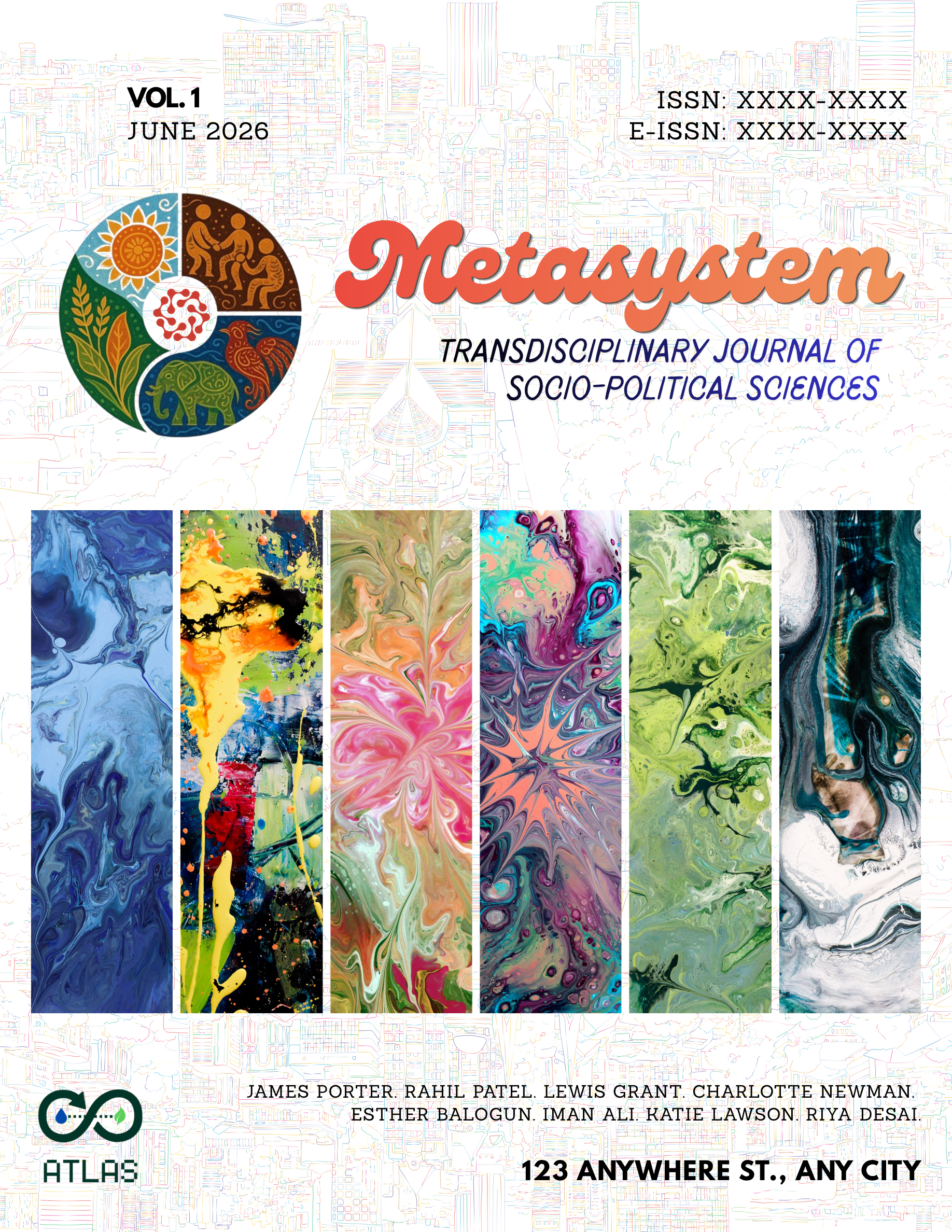
3. Metasystem: Transdiciplinary Journal of Socio-Political Sciences
Metasystem: Transdisciplinary Journal of Socio-Political Sciences is a double-blind peer-reviewed journal published by Aliansi Transintegrasi Lektur Agama dan Sains (ATLAS), Indonesia, twice a year, in June-Desember. The journal is dedicated to advancing transdisciplinary scholarship in socio-political sciences by integrating diverse theoretical frameworks, methodological approaches, and empirical insights to better understand complex social and political phenomena in an interconnected world. The primary aim of Metasystem is to foster innovative and integrative research that transcends conventional disciplinary boundaries, encouraging scholars to develop holistic analyses of socio-political dynamics at local, national, and global levels. The journal promotes studies that engage with pressing contemporary issues such as governance, democracy, social inequality, identity politics, globalization, digital transformation, and sustainability. It seeks to generate knowledge that not only advances academic discourse but also informs policy-making and practical solutions for societal challenges. The journal’s scope encompasses a wide range of disciplines, including political science, sociology, anthropology, international relations, public policy, economics, communication studies, and development studies. Special attention is given to transdisciplinary approaches that combine insights from multiple fields, including systems thinking, complexity theory, and critical social theory. Topics of interest include institutional transformation, civic engagement, political behavior, social movements, conflict resolution, and the impact of technology on socio-political structures. All submissions are welcomed as long as they demonstrate theoretical innovation, methodological rigor, and a clear contribution to the advancement of transdisciplinary socio-political sciences.
-
-
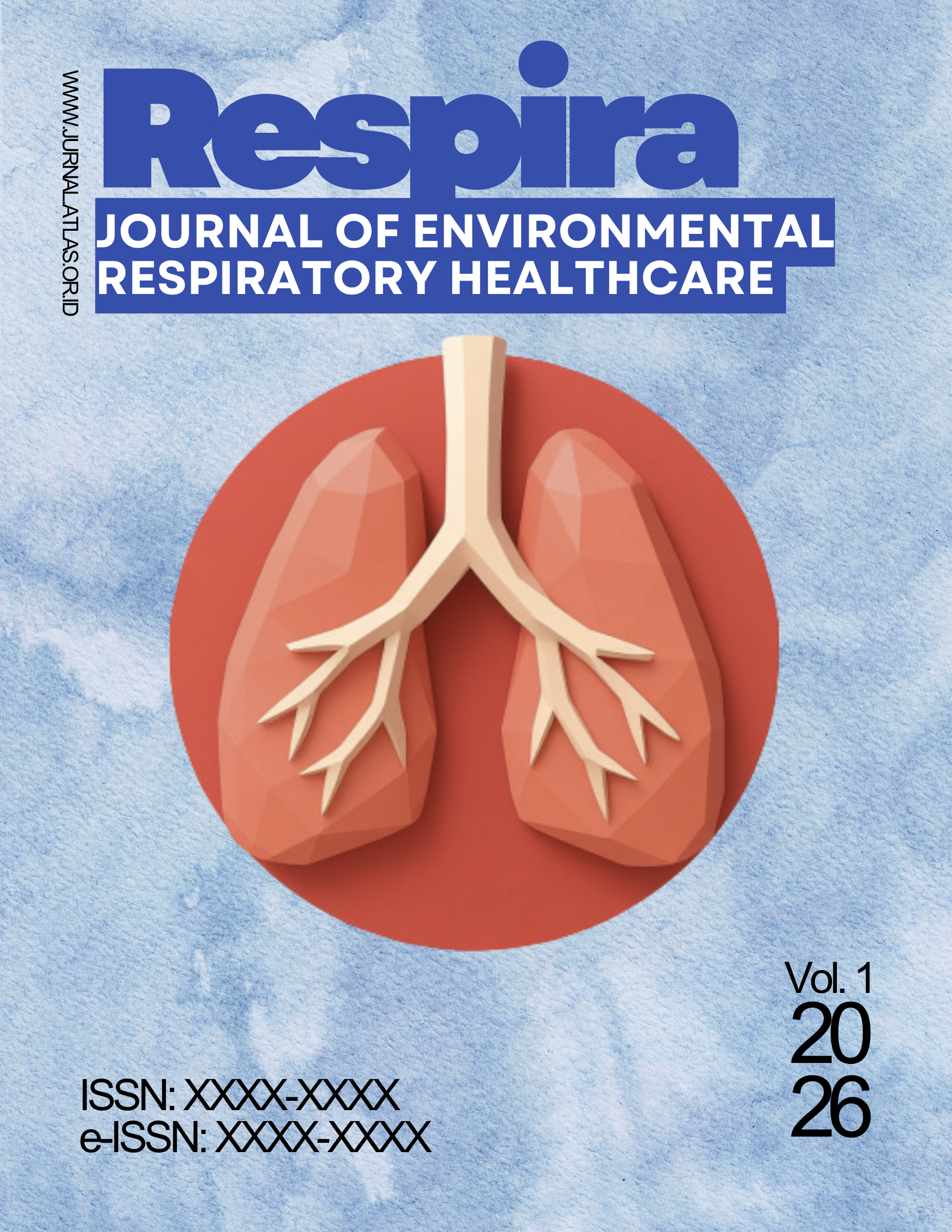
Respira: Journal of Environmental Respiratory Healthcare
Journal title : Respira: Journal of Environmental Respiratory Healthcare ISSN : xxxx-xxxx (Coming Soon) Editor-in-Chief : Faisal Yunus Managing Editor : Derallah Ansusa Lindra Publisher : Aliansi Transintegrasi Lektur Agama dan Sains (ATLAS) in cooperation with Pulmonology and Respiratory Medicine Program, Jambi University, Indonesia Frequency : 3 issues per year (January, May, September) Respira: Journal of Environmental Respiratory Healthcare is a double-blind peer-reviewed journal published by the Aliansi Transintegrasi Lektur Agama dan Sains (ATLAS) in cooperate with Pulmonology and Respiratory Medicine Program, Jambi University, Indonesia, three times a year (Januari, Mei, September). The journal provides an international platform for interdisciplinary research on the relationship between environmental factors and respiratory health. Its mission is to advance evidence-based knowledge that improves the prevention, diagnosis, treatment, and management of respiratory diseases affected by air pollution, climate change, occupational hazards, and indoor environmental exposures. Respira welcomes high-quality studies in pulmonology, environmental health, epidemiology, occupational health, global health, health policy, and healthcare management. The journal emphasizes research on asthma, chronic obstructive pulmonary disease (COPD), respiratory infections, air quality monitoring, climate-related health impacts, sustainable healthcare, technological innovations, and community-based interventions. By integrating clinical, environmental, and public health perspectives, Respira seeks to promote innovative, environmentally responsive healthcare solutions that improve respiratory health outcomes and reduce global health disparities.
-
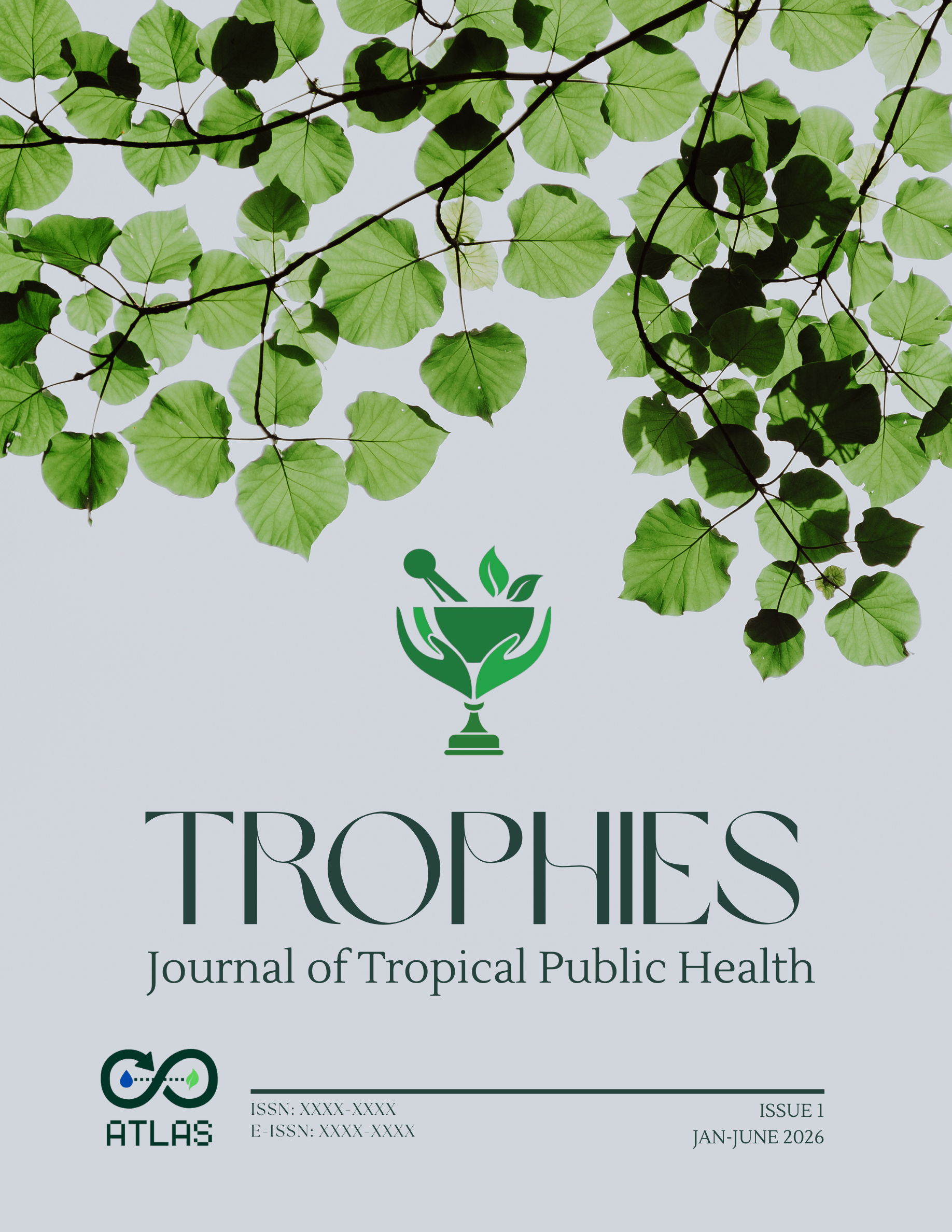
Trophe: Journal of Tropical Public Health
Trophe: Journal of Tropical Public Health is a double-blind peer-reviewed journal published by the Aliansi Transintegrasi Lektur Agama dan Sains (ATLAS), Indonesia, twice a year (June and December). The journal provides an international platform for scholars, practitioners, and policymakers to disseminate high-quality research addressing public health issues in tropical and subtropical regions. Its mission is to advance knowledge and practice in disease prevention, health system strengthening, and community well-being through evidence-based and policy-relevant research. Trophe welcomes multidisciplinary studies on infectious and non-communicable diseases, environmental health, climate change, health promotion, epidemiology, biostatistics, nutrition, global health, health policy, and tropical medicine. The journal also emphasizes vector-borne diseases, maternal and child health, sanitation, occupational health, and community-based interventions. By integrating scientific rigor with practical relevance, Trophe aims to foster innovative solutions that reduce health disparities and improve public health outcomes in tropical communities worldwide.
-
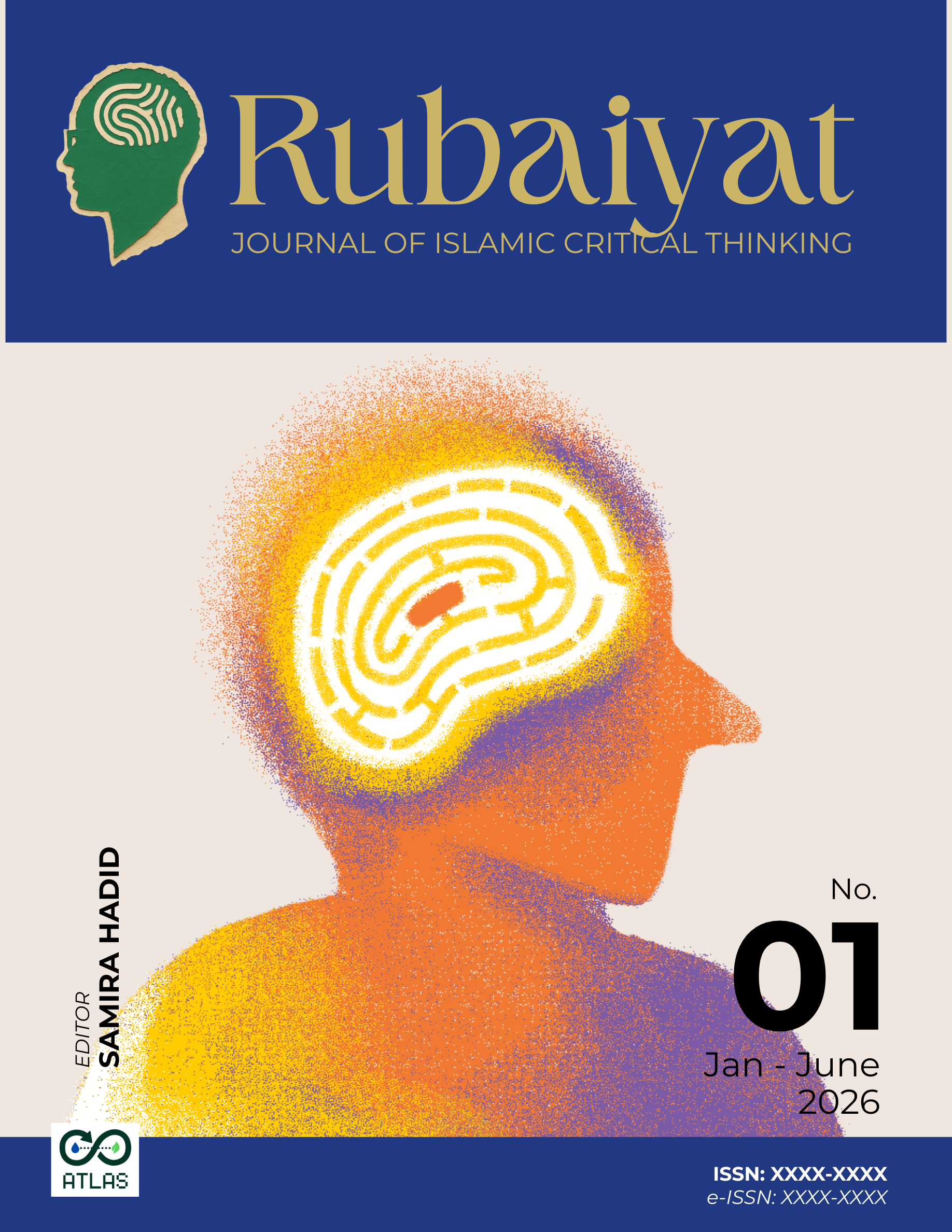
Rubaiyat: Journal of Islamic Critical Thinking
Rubaiyat: Journal of Islamic Critical Thinking is a double-blind peer-reviewed journal published by Aliansi Transintegrasi Lektur Agama dan Sains (ATLAS), Indonesia, in January-April-July-October. The journal is devoted to advancing critical thinking within Islamic studies by encouraging rigorous, analytical, and reflective engagement with Islamic texts, traditions, and contemporary issues. It aims to position Islamic thought as a dynamic and evolving intellectual tradition that is open to questioning, reinterpretation, and constructive dialogue. The primary aim of Rubaiyat is to foster scholarly contributions that apply critical thinking frameworks to the study of Islam, bridging classical scholarship with modern intellectual challenges. The journal promotes works that explore reasoning, argumentation, and epistemological inquiry in Islamic discourse, as well as studies that address pressing issues such as religious authority, interpretation, identity, and socio-political transformation in Muslim societies. It also seeks to cultivate a culture of intellectual openness, encouraging diverse perspectives that contribute to deeper understanding and meaningful debate. The journal’s scope includes a wide range of disciplines within Islamic studies and the broader humanities, including Qur’anic studies (tafsīr), ḥadīth studies, Islamic law, theology (kalām), philosophy, Sufism, and intellectual history, alongside fields such as hermeneutics, critical theory, cultural studies, political thought, and education. Special attention is given to themes such as reinterpretation of sacred texts, critical pedagogy in Islamic education, reform movements, and the interaction between Islam and contemporary global discourses. All submissions are welcomed as long as they contribute to the development of critical thinking in Islamic scholarship.